Key Takeaways
|
Why Flea Prevention Matters for Cats
Fleas aren’t just a nuisance, they’re a genuine health risk for cats. These tiny parasites can cause everything from uncomfortable itching to serious diseases, and in severe cases, kittens with heavy infestations can develop life-threatening anaemia.
Many cats are allergic to flea saliva, which turns ordinary bites into an agonising cycle of scratching and biting. Your cat may scratch so intensely that they create open wounds, which can quickly become infected. Some cats develop severe skin reactions that require veterinary intervention.
Beyond the immediate discomfort, fleas carry other health risks. They can host tapeworm eggs, which transfer to your cat if they swallow an infected flea whilst grooming. Fleas also carry infectious bacteria like Bartonella (cat scratch disease), which not only makes cats sick but can spread to humans through scratches or bites.
The most compelling reason for prevention? Fleas are incredibly hard to eliminate once they’ve established themselves. A full eradication can take several months of consistent treatment, affecting not just your cat but your entire household.
Understanding the Flea LifecycleKnowing how fleas reproduce helps explain why prevention works so much better than trying to eliminate an active infestation. The flea lifecycle has four distinct stages: egg, larva, pupa, and adult. Adult fleas live on your cat, feeding on their blood and laying eggs. These eggs fall off into your carpet, bedding, and furniture, where they hatch into larvae. The larvae avoid light and burrow deep into carpet fibres or cracks in floorboards, feeding on skin cells and flea dirt (essentially digested blood from adult fleas). After several days to weeks, larvae spin cocoons and enter the pupal stage. This is where flea prevention becomes truly challenging as pupae are nearly impossible to eliminate. They’re resistant to insecticides and can remain dormant for months, waiting for the right conditions (warmth, movement, carbon dioxide) that signal a host is nearby. When an adult flea emerges from its cocoon, it has just a few days to find a host before it starves. Once on your cat, fleas can begin feeding within minutes and laying eggs within 24-48 hours. This rapid reproduction cycle is why consistent prevention is so crucial to stopping the cycle before it starts, rather than trying to battle multiple generations of fleas at once. |
Natural Support for Your Cat’s Wellbeing
Never use dog flea products on cats, as they can be toxic. Alongside pharmaceutical prevention, many cat owners find natural supplements helpful for supporting overall wellbeing.
Internal Support
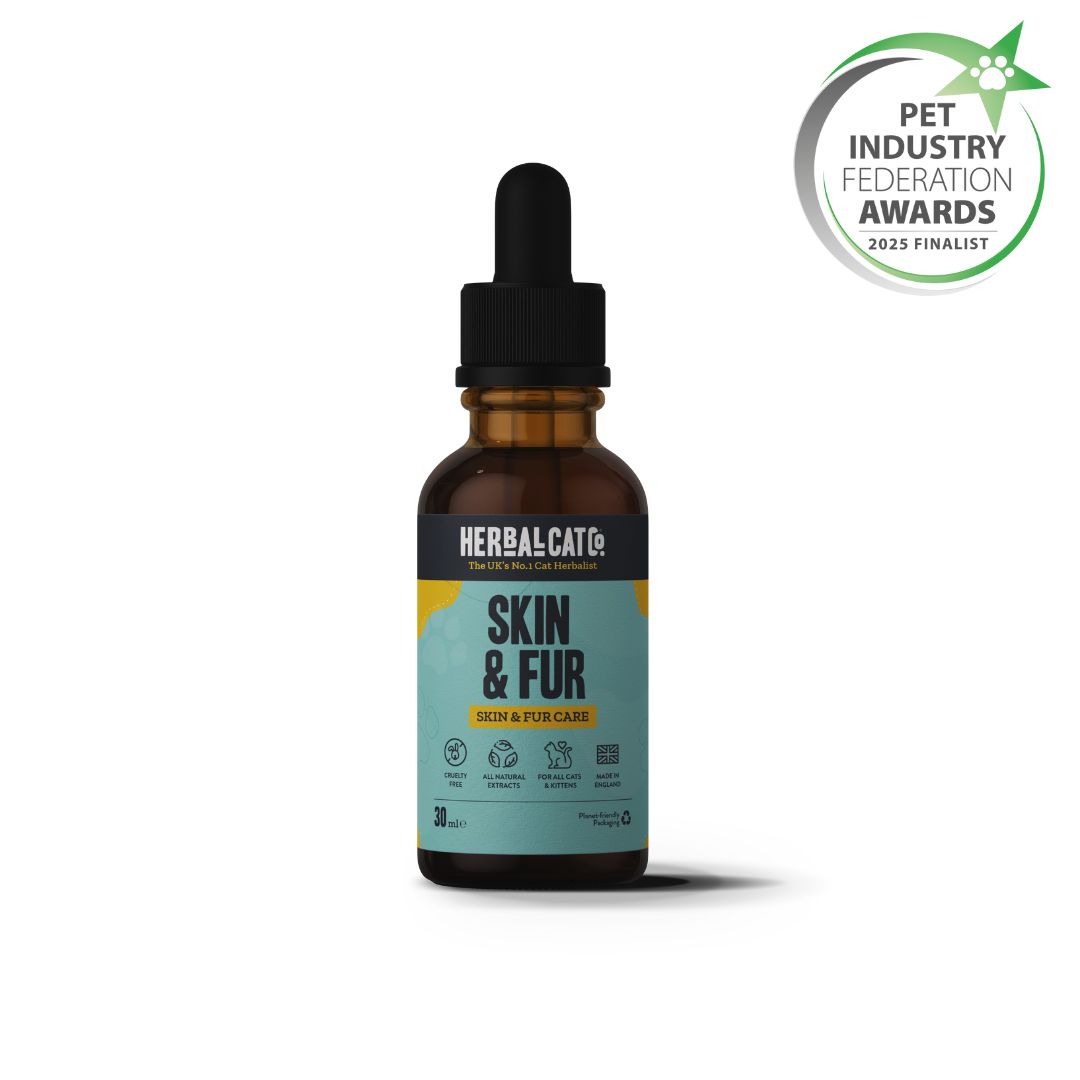
Herbal Dog Co.’s Cat Skin and Fur Drops are made with nourishing botanicals to encourage a healthy, shiny coat. Our Cat Gut Health and Digestive Drops are also a great option to provide nutritional support for daily wellness.
Immunity Support During Winter Months
Winter presents its own challenges, as fleas often thrive indoors when heating systems create warm, humid conditions. The Cat Immune Winter Care Drops are a herbal supplement with botanicals traditionally used during winter months to support general immunity.

Comfort for Irritated Skin
For immediate comfort, our Colloidal Silver range offers several options. Available as drops, serum, cream, and spray, these products can provide comfort for irritated skin and work well as part of your cat’s regular grooming routine throughout the treatment process.

Wellness Support During Treatment
If your cat is currently undergoing flea treatment, maintaining their overall wellness becomes even more important. Herbal Dog Co.’s Cat Multivitamin Wellness Care Drops contain a blend of herbs and natural ingredients that help maintain vitality and support skin and coat health.
Practical Prevention Strategies
Preventing flea infestations is about creating an environment that’s hostile to fleas whilst supporting your cat’s natural resilience.
Environmental Management: Regular vacuuming is your most effective tool against flea eggs and larvae. Focus on areas where your cat spends time, paying special attention to carpet edges, under furniture, and any cracks in floorboards. Empty the vacuum outside immediately after use, as flea eggs can continue to develop in the dust bag. Wash all cat bedding weekly in hot water (60°C minimum) to eliminate all flea life stages. If your cat has favourite spots on furniture, consider washable throws that you can clean regularly. During peak flea season (typically late summer and autumn in the UK), you might need to increase this frequency.
Garden Maintenance: If your cat goes outdoors, garden maintenance becomes crucial. Keep grass mowed short and avoid overwatering, as fleas thrive in humid conditions. Consider treating shaded areas where your cat likes to rest with appropriate environmental products, though always ensure these are safe for cats. Wildlife can be a major source of flea introduction. Store cat food securely to avoid attracting foxes, hedgehogs, and other animals that might carry fleas into your garden. Some owners find that secure outdoor enclosures (often called “catios”) give cats outdoor time whilst limiting exposure to flea-carrying wildlife.
Regular Monitoring: Physical prevention matters too. Regular brushing with a flea comb lets you check for early signs of fleas before a full infestation develops. Pay special attention to your cat’s neck, back, and the base of their tail as these are favourite flea hiding spots. If you find black specks in your cat’s fur, place them on a damp white tissue. If they turn red, that’s “flea dirt” (digested blood), confirming the presence of fleas even if you haven’t seen the adult insects yet.
What to Do If Fleas Occur Despite PreventionEven with prevention, breakthrough infestations can happen. This might be due to medication resistance, inconsistent application, or overwhelming environmental flea pressure. If you spot fleas despite your prevention efforts, act quickly. Your first call should be to your vet for a targeted treatment plan that addresses your specific situation. While you’re implementing their recommended treatment, you’ll need to wash all bedding, vacuum thoroughly daily, and treat every pet in your household with appropriate products. This isn’t a quick fix and it can take several months of diligent cleaning and treatment to break the flea lifecycle completely. |
Prevention Strategies for Indoor vs Outdoor Cats
Outdoor cats face higher flea risks due to contact with other animals and uncontrolled environmental exposure, making year-round prevention essential.
Your outdoor space matters as much as the medication. Keep your lawn mowed and avoid overwatering, as fleas thrive in humid conditions. If you’re using environmental insecticides, focus on shaded areas where your cat likes to rest during warmer months.
Some owners find that creating a secure outdoor enclosure (often called a “catio”) gives cats outdoor time whilst limiting flea exposure. Always store outdoor cat food securely to avoid attracting wild animals and their hitchhiking fleas.
Indoor cats aren’t immune to flea problems, though their risk is lower. Fleas can enter homes on other pets, rodents, or even on your clothing. In flats, fleas sometimes migrate through ventilation systems or shared spaces. This means indoor cats still need consistent year-round prevention, just like their outdoor counterparts.
Building Your Cat’s Natural Defences for Year-Round Resilience
Regular brushing, and occasional baths for cats that tolerate them, mean you’ll notice the first signs of fleas long before they become a serious infestation. But, as the old saying goes “prevention is better than cure”.
Once established, fleas become a months-long battle that’s exhausting for both you and your cat. A proactive approach that combines prevention with natural wellness support will give you the best chance of keeping your home flea-free.









FAQs
#1: What are the first signs of fleas in cats?
Typically, the first signs of fleas are scratching, biting, restlessness, and over-grooming. You may also see red bumps on their skin, little brown flecks in their fur, or even adult fleas.
#2: Can I use dog flea products on my cat?
No, you should never use dog flea products on your cat, as these can be toxic to cats. You should always use products that are specifically labelled for cats. If you own both dogs and cats and are treating both for fleas, it may be best to use oral medications to prevent your cat from being accidentally exposed to your dog’s treatment.
#3: How often should I check my cat for fleas?
Since most flea medications are applied monthly, you should check your cat monthly for fleas. Brush your cat with a flea comb, especially around their neck and along their back to the base of their tail.
#4: What should I do if my cat has fleas despite prevention methods?
If your cat still gets fleas despite prevention methods, you should consult your vet. Your cat might have an allergy or be resistant to certain flea medications.
Our herbal products help keep your cat comfortable day to day. If flea problems persist despite home care, or if you notice signs of infestation, your vet can identify the underlying cause and provide appropriate treatment.