Key Takeaways
|
What Causes Dry Skin on Dogs?
Dogs can experience dry skin for any number of reasons, ranging from something in the environment to an underlying health issue. It’s usually a symptom of a bigger issue, and can be anything from a mild irritation to severe discomfort that affects your dog’s quality of life. Mild cases of dry skin can be soothed at home, but severe cases should be referred to your vet.
Seasonal Causes
In winter, the weather tends to be dry, with low humidity. Added to that, indoor heating also dries out the air. This can cause dry, flaky skin in dogs. In spring and summer, dogs can pick up allergies from pollen, mites, mould, and grass that can cause dry, itchy skin.
Environmental Causes
Some parasites affect the skin and can cause dryness and even inflammation. Usually, diagnosing a parasite that’s causing your dog’s dry skin requires a trip to your vet. Products can also be an issue. Chemical shampoos and cleaning products with harsh chemicals can dry out your dog’s skin.
Nutritional Causes
To keep your dog’s coat and skin healthy, they need essential fatty acids, like omegas. If their diet lacks these, that can cause dull coats and dry skin. Some dogs also have food allergies that can trigger dry skin.
Health-Related Causes
Some fungal and yeast infections can cause inflammation, rash, scaling, and eventually dry skin. There are also some endocrine disorders, like Cushing’s or hyperthyroidism, that can cause dry skin.
Some breeds are also more susceptible to dry skin and other skin issues, like spaniels, terriers, and Dobermans. Hairless breeds typically suffer from a number of skin-related issues, while Siberian Huskies, Malamutes, and other fast-growing large breeds can have a zinc deficiency (which is necessary for healthy hair, skin, and nails).
Common Symptoms of Dry Skin in Dogs
All breeds are different, so the symptoms of dry skin can vary, but some common ones include:
- Dandruff or flaky skin
- Redness
- Hair loss, where patches of skin can be seen
- Pimples
- Unusual odour from the skin
- Scabs
- Scaly skin
- Cracked skin
- Greasy fur
Natural Solutions for Dry Skin on Dogs
Daily Moisture Support
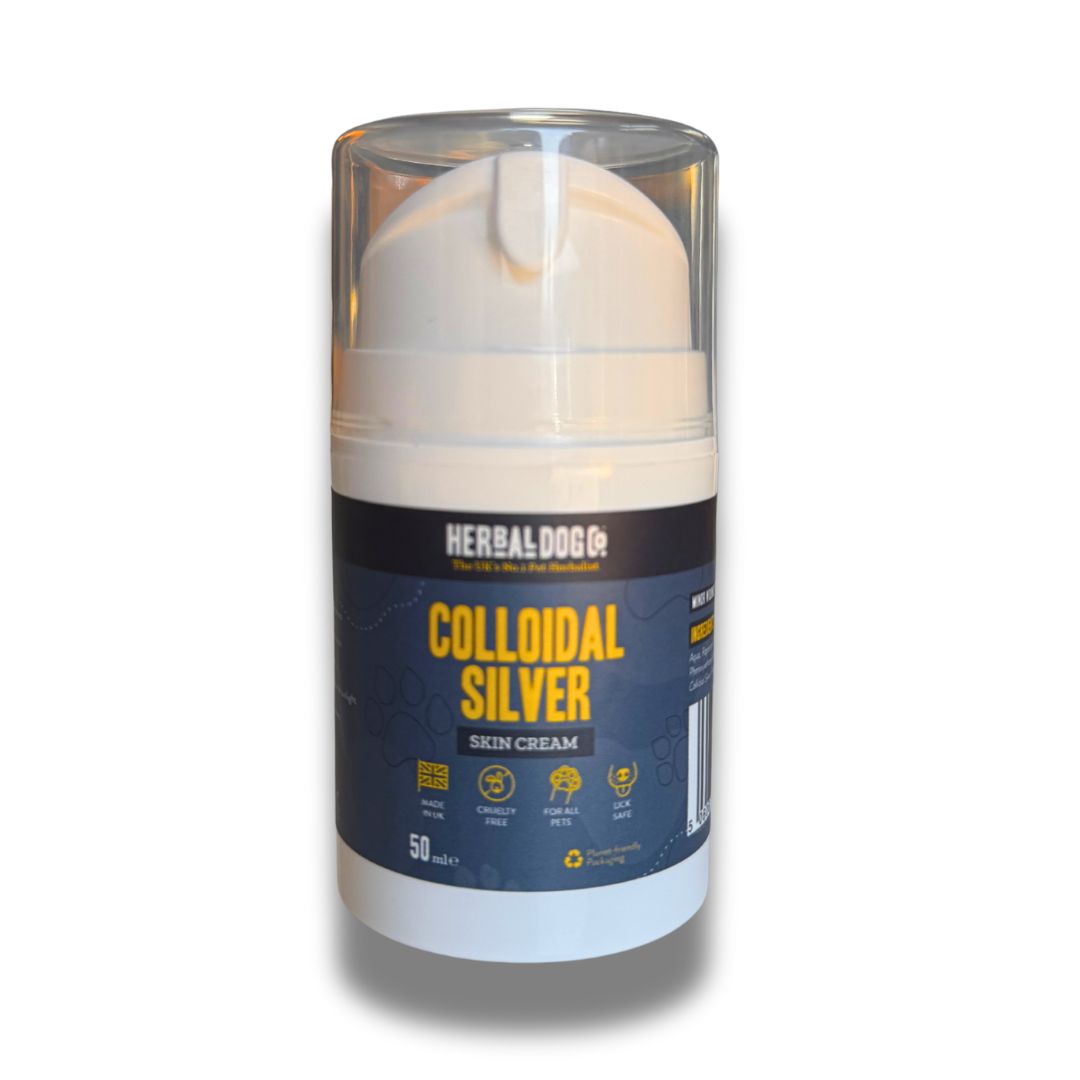
When seasonal dryness or allergies affect your dog’s skin, a moisturiser can be a good way to soothe their skin and combat dryness. Try Herbal Dog Co.’s Colloidal Silver Skin Cream, a gentle cream for dry patches made with soothing natural ingredients, providing gentle moisture for dry patches while keeping your dog comfortable.
Gentle Cleansing for Sensitive Skin
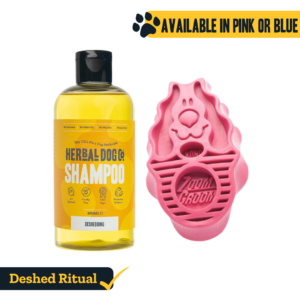
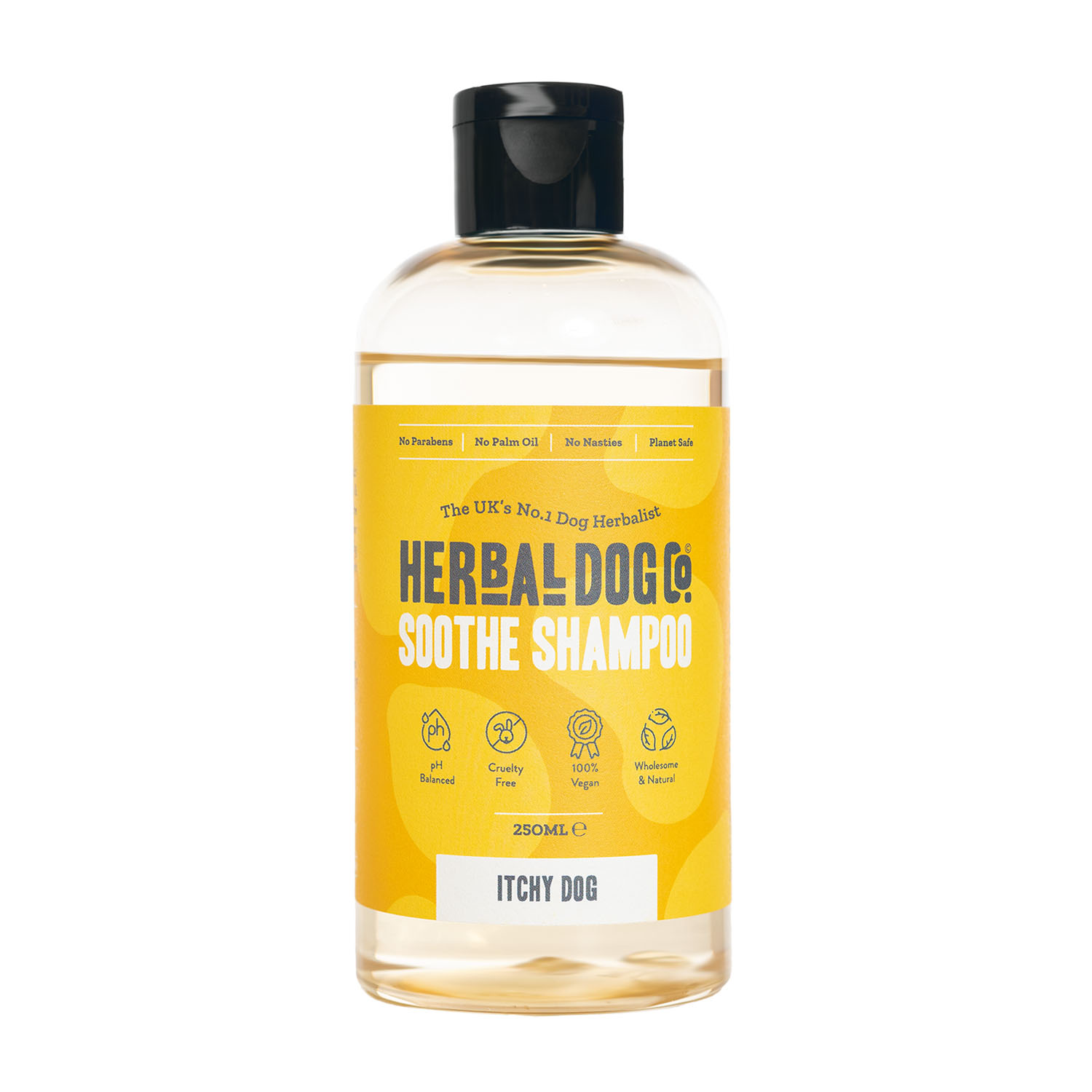
If your dog has sensitive skin, Herbal Dog’s Soothe Shampoo is specifically designed to be gentle on the skin. It doesn’t contain harsh chemicals and focuses instead on soothing oils and plant extracts, such as organic chamomile, dandelion, thyme, and quassia.
Targeted Care for Problem Areas
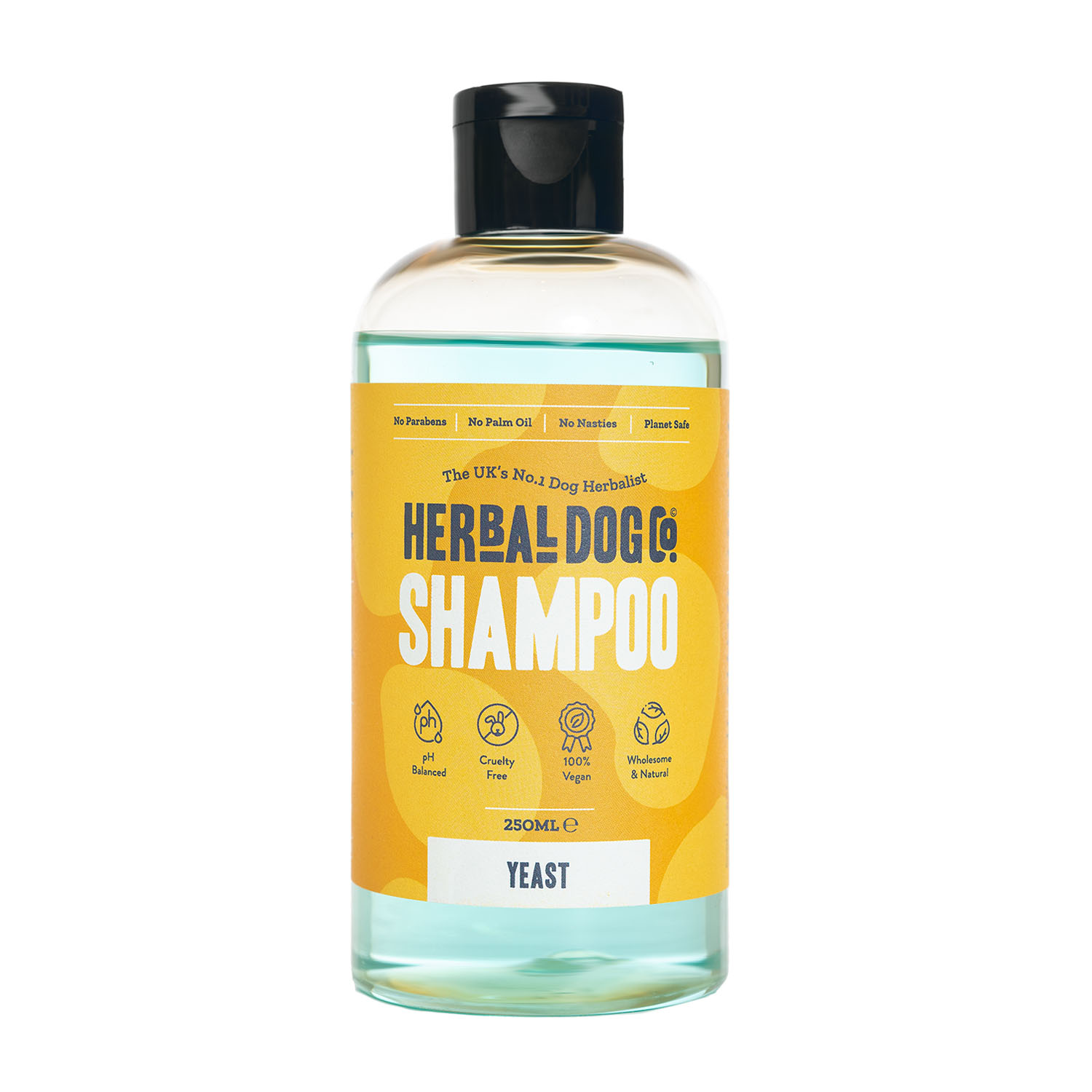
For more targeted skin needs, our Yeast Harmony Shampoo offers a blend of aqua, rosemary oil, coconut, and sea salt to soothe sore and itchy skin.
Nutritional Support from Within
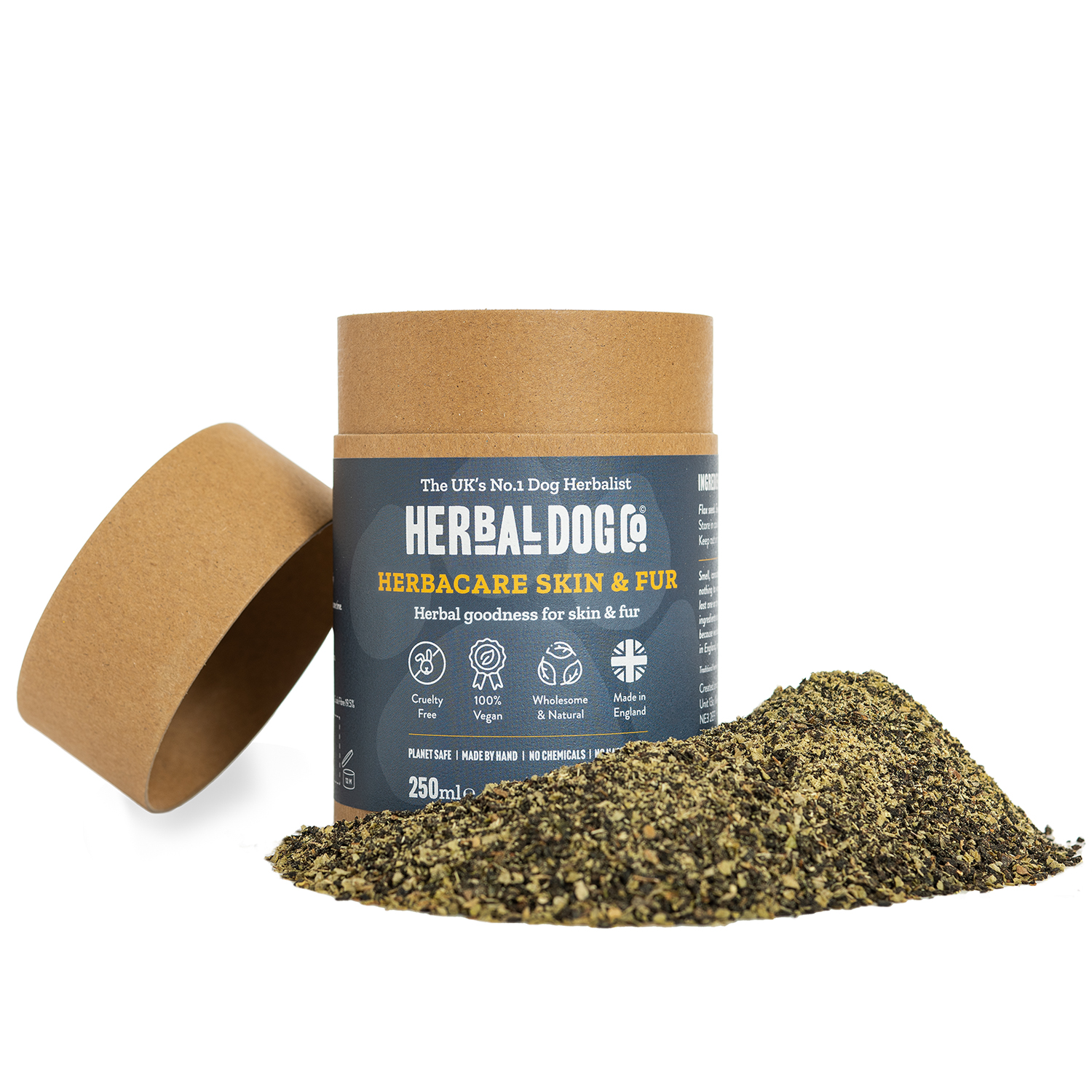
Natural supplements are an option to boost your dog’s skin and fur health. Try the Skin & Fur Blend from Herbal Dog Co., with its mix of pre- and probiotics, to support your dog’s skin health.
Breed-Related Issues
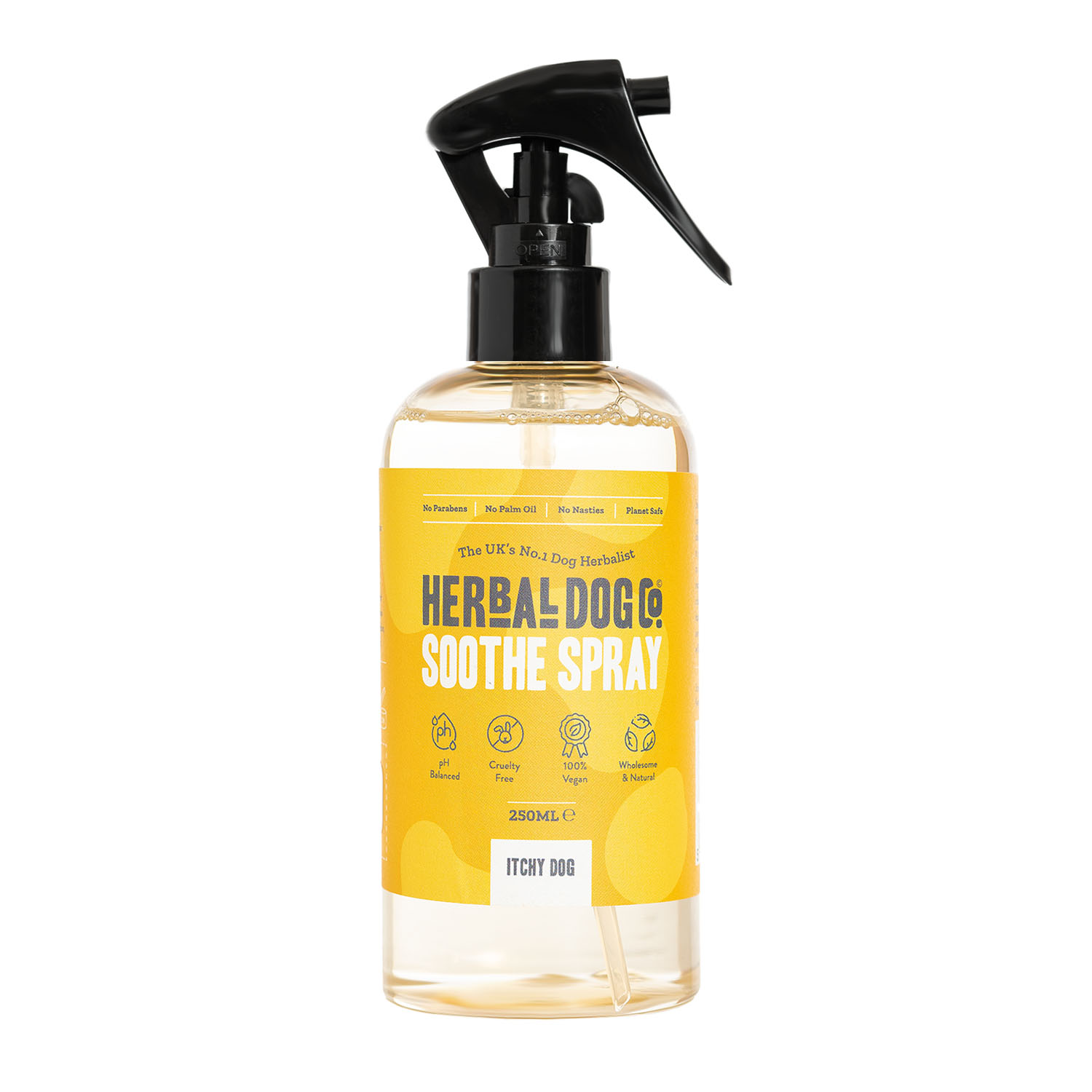
Some dog breeds are prone to dry skin, and a soothing spray can be a big help. Herbal Dog Co.’s Soothing Spray is designed to support skin and fur health for your dog. You can use it on their paws, skin, and fur.
It’s important to note that if your dog has a severe dry skin problem, with bald spots, inflammation, scaliness, or redness, you should visit your vet.
How to Prevent Dry Skin on Your Dog
One way to help prevent dry skin in your dog is to ensure a proper diet. High-quality, nutrient-rich foods and omega supplements can help your dog’s skin and coat stay healthy year-round. It’s also important to make sure your dog has enough fresh water.
When it comes to those seasonal issues, adding a humidifier to your home in winter can boost the humidity and help prevent your dog’s (and your own) skin from drying out.
When grooming, use a soothing natural shampoo that won’t strip the natural oils from the skin and fur, and don’t bathe your dog too often. If your dog has any allergies, remove those allergens from your environment, if possible.
Bonus Tips for Maintaining Healthy Skin Year-Round
Use good-quality, natural shampoo when bathing your dog.
Supplement your dog’s diet with omega-3s or other skin support supplements.
Keep your dog’s bedding and toys clean to avoid a buildup of irritants.
Brush your dog regularly to remove dirt and loose fur.
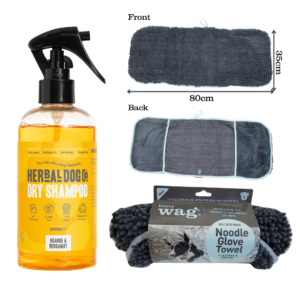
Use a dry shampoo after walks during allergy season to remove irritants from their coat.

FAQs
#1: What food should I give to my dog if he or she has dry skin?
Give your dog a balanced, nutrient-rich diet and consider adding a herbal supplement that supports skin and fur health.
#2: How do I moisturise my dog’s skin?
Use only moisturisers and ointments made for dogs, never a human one, on your dog’s skin. Natural options like the Colloidal Silver Skin Cream are an option for less severe cases. You can also use paw and nose balms for targeted dry spots.
#3: Can I put coconut oil on my dog for dry skin?
Yes, but it must be applied in small amounts only. Coconut oil has natural moisturising properties that can help soothe dry skin.
#4: What supplements support healthy skin in dogs?
- Omega-3 and omega-6 fatty acids.
- Vitamins A, E, and biotin.
- Zinc minerals.
- Natural skin and fur supplements.
#5: What ingredients should I avoid if my dog has dry skin?
For products that you put on your dog’s skin, avoid fragrances, harsh soaps, and some preservatives, like BHA and formaldehyde-releasing agents. When it comes to food, avoid fillers found in cheaper dog food brands, like corn, wheat, and soy. Some dogs are allergic to foods like chicken, beef, dairy, and wheat. You should also avoid processed foods with artificial additives.
Herbal products can help keep your dog comfortable day to day. If dry skin persists despite home care, or if you notice signs of infection, your vet can identify the underlying cause and provide appropriate treatment.